|
|
1楼
 发表于 2009-12-13 12:31
|
|阅读模式
发表于 2009-12-13 12:31
|
|阅读模式

登陆享受更多浏览权限哟~
您需要 登录 才可以下载或查看,没有帐号?入驻经典 
x
Director in Charge: Ma Yansong, Dang Qun
Design Team: Yu Kui, Diego Perez, Zhao Wei, Chie Fuyuki, Fu Changrui, Jtravis B Russett, Dai Pu, Irmgard Reiter, Rasmus Palmqvist, Qin Lichao, Xie Xinyu
Location: Chongqing, China
Typology: Commercial, Office, Hotel
Site Area: 7,700 sqm
Building Area: 216,000 sqm
Building Height: 385 m
Architectural Design: MAD Ltd
Structural Design: ARUP Group Ltd
Urban Forest by MAD
December 10th, 2009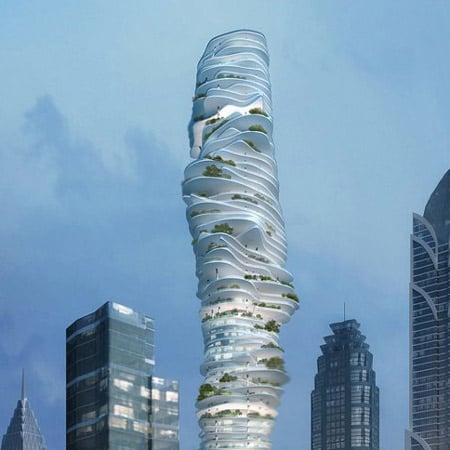
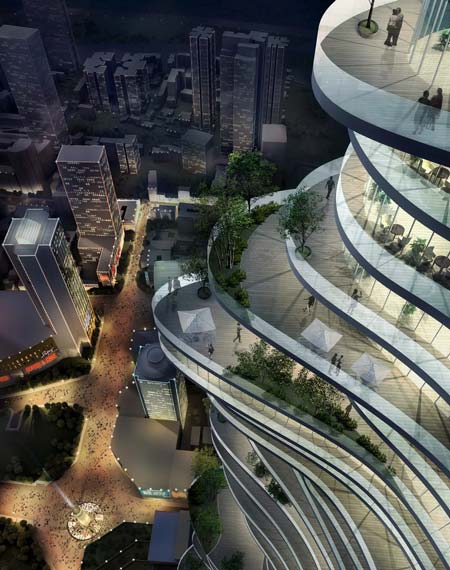
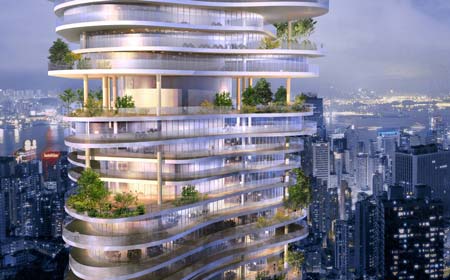
Beijing architects MAD have designed a skyscraper for Chongqing, China, with gardens at each level.
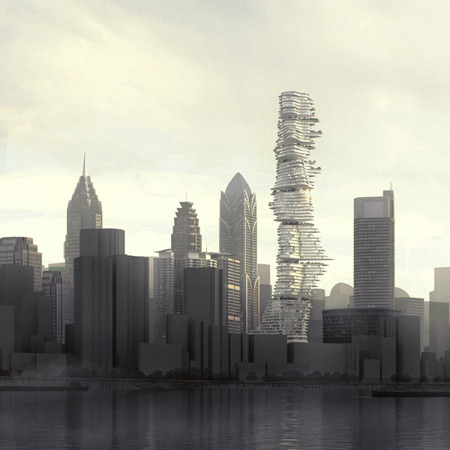
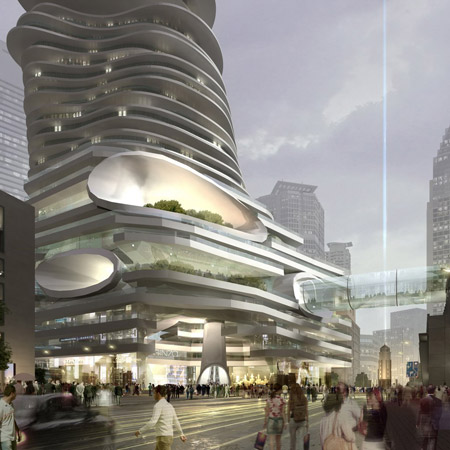
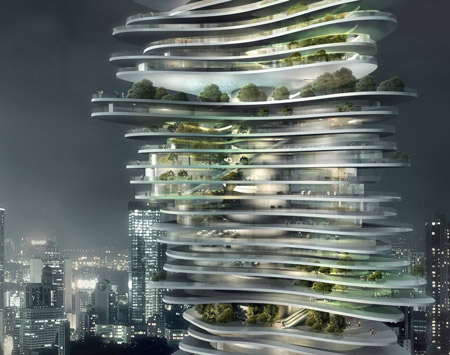
Rather than consider the project vertically, the architects envisage a stack of floors, each slice shifted horizontally to create spaces for gardens and patios.
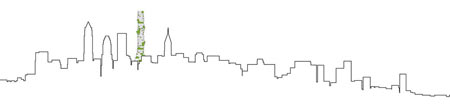
The 385 metre-high building will be called Urban Forest.
Here’s some text from MAD:
–
Urban Forest
By the end of 2009, MAD has completed the concept design of a 385 meter high metropolitan cultural complex in the city center of Chongqing – The Urban Forest.
This is the third skyscraper designed by MAD following the Absolute Towers in Toronto and the Sinosteel International Plaza in Tianjin, China.
MAD proposes a new architectural concept for the course of Chinese urban development – to actualize a sustainable multidimensional high-rise within China’s youngest municipality, where nature reincorporates into the high-density urban environment in the near future, to evoke the affection for nature once lost in the oriental ancient world and bring to the modern city dwellers.
In the year of 1997, Chongqing became the fourth direct municipality in China.
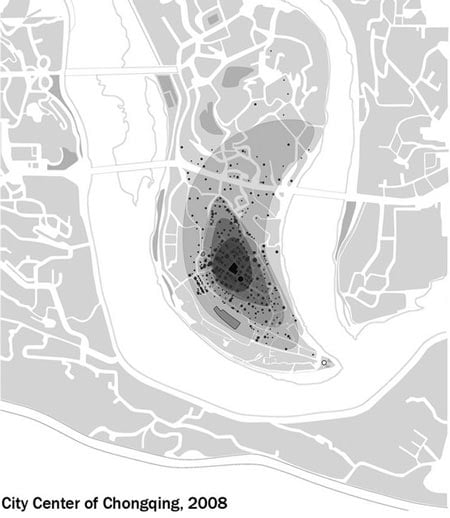
As an important pole of the growing economy in western China, the city area of Chongqing is more than twice of those of Beijing, Shanghai and Tianjin combined.
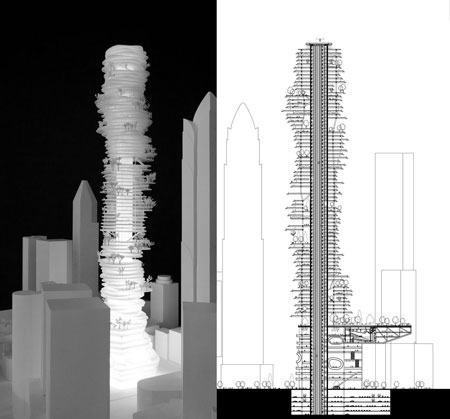
Such macro-scale urbanization should not only pushes economic growth and material prosperity, but also foster the evolution of the city’s cultural essence. Chinese cities have gone through the process of once starting from nothing, to following contemporary Western civilization urban pattern. Now, the overall economic infrastructure has oriented the direction of future development towards inland China.
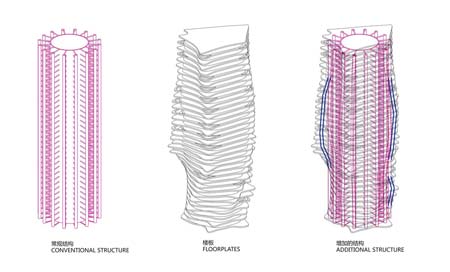
What lies in the future of cities? How should one grasp the concept of emerging high-density cities of China in the context of a scenic town such as Chongqing? How does one discuss the future of architecture in Chinese cities on the base of Eastern Naturalist perspective and in the new context of China’s unique economic, social environment and globalization background? How to engage the city dwellers with an experience of nature when its presence of steadily diminishes in the face of the ever intensifying concrete jungle.
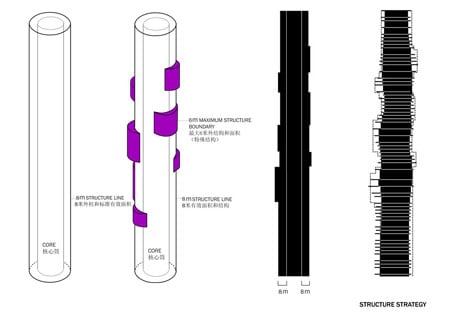
Throughout the process of contemporary Western urbanization, skyscrapers were the symbol of technological competitions, prime capitals and the formal enslavement of the powerful and the rich. Sustainable ecology became more of a demand for comfort; while the yearning of a return to nature was left ignored. The Urban Forest draws inspiration from the perspective of nature and the man-made in Eastern Philosophy, and ties the urban city life with the natural outdoor experiences.
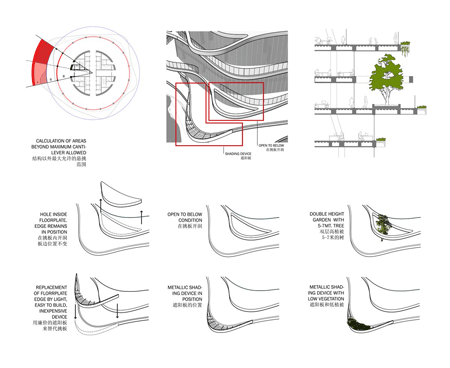
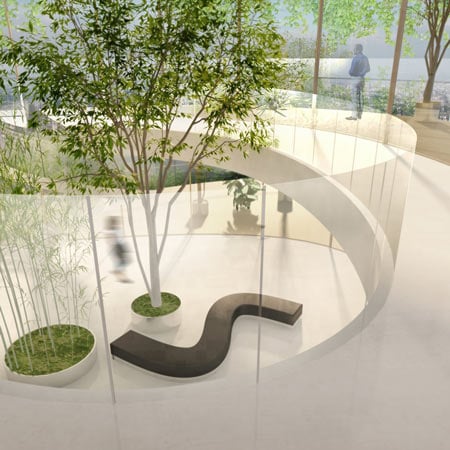
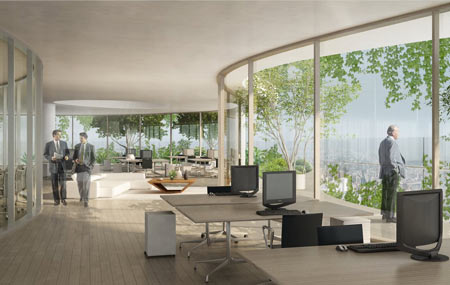
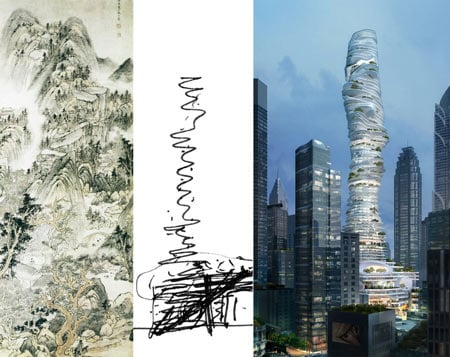
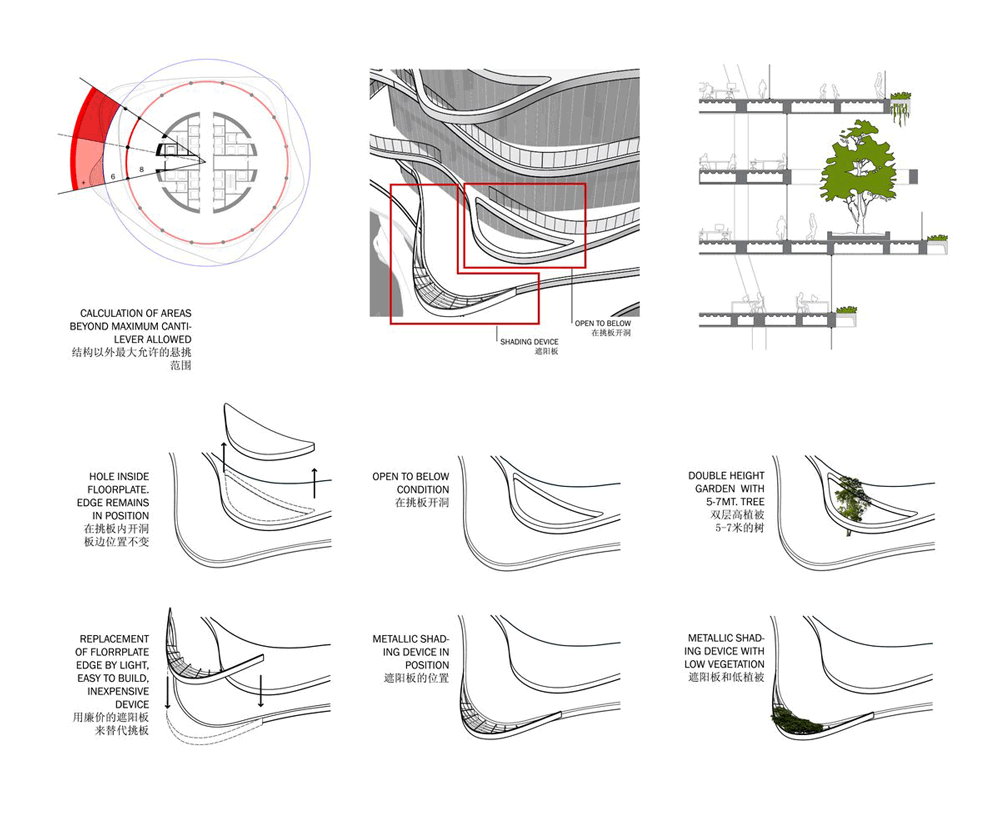
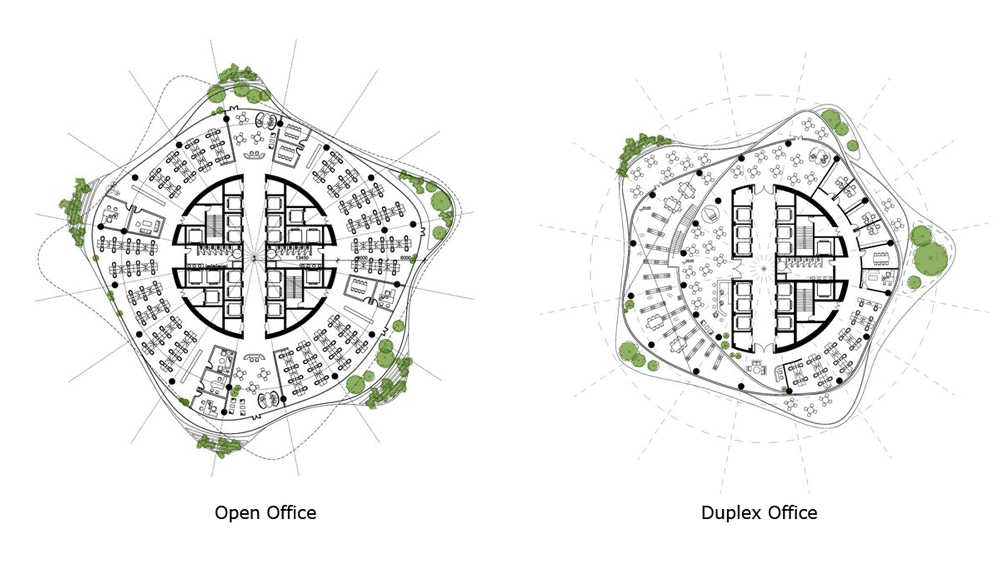
The shape of the architecture mimics mountain range, shifting in a dynamic and yet holistic rhythm, and becomes a continuation of nature. Unlike its preceding counterparts, The Urban Forest no longer emphasizes on vertical force, instead it concentrates on the multidimensional relationships within complex anthropomorphic spaces: multilayer sky gardens, floating patios and minimal and yet well lit nesting spaces, the architectural form dissolves into the fluid spatial movements between air, wind, and light. In this environment, people encounter nature filled with unexpected surprises.
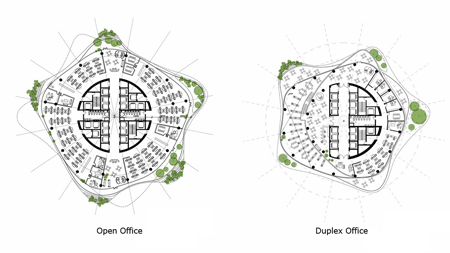
The fusion between Eastern humanism spirit and urban public spaces pioneers in the making of a sustainable multidimensional city – The Urban Forest will not be a piece of mediocre urban machinery, but an artificial organ that lives and breathes new life in the steel-and-concrete-filled city center.
Chongqing, the youngest municipality in China, holds great potential in its urban planning and construction and has the capability to be built into a most livable city, a city of pleasant environments, a traffic-jam-free city, even into a city that runs into a complete urban forest. A city with aspiration and vitality shall be courageous in envisioning and designing its great future. – Bo Xilai (Mayor of Chongqing)
In October 2009, The Urban Forest from MAD debuted in the Heart-Made, Europalia exhibition at the 2009 Europalia China. It represents the most challenging dream of the contemporary Chinese architecture — a type of urban landmark that rises from the affection for nature. It is no longer a static icon but an organic form that changes all the time with people’s perception.
Director in Charge: Ma Yansong, Dang Qun
Design Team: Yu Kui, Diego Perez, Zhao Wei, Chie Fuyuki, Fu Changrui, Jtravis B Russett, Dai Pu, Irmgard Reiter, Rasmus Palmqvist, Qin Lichao, Xie Xinyu
Location: Chongqing, China
Typology: Commercial, Office, Hotel
Site Area: 7,700 sqm
Building Area: 216,000 sqm
Building Height: 385 m
Architectural Design: MAD Ltd
Structural Design: ARUP Group Ltd
|
|







 IP卡
IP卡 狗仔卡
狗仔卡

 楼主
楼主
